Uncategorized
Essential Guide to Range Rover Coolant Maintenance
Jan
Maintaining your Range Rover’s coolant system is crucial for engine health. It prevents overheating and costly repairs.
Coolant regulates engine temperature, ensuring smooth performance. Without proper maintenance, your vehicle may face serious issues.
Regular checks and timely interventions can extend your Range Rover’s lifespan. This guide will help you understand the essentials.
From checking levels to choosing the right type, we cover it all. You’ll learn how to keep your engine running efficiently.
Whether you’re a DIY enthusiast or prefer professional help, this guide is for you. Let’s dive into the world of Range Rover coolant maintenance.
Why Coolant Maintenance Matters for Your Range Rover
Coolant maintenance is essential to prevent engine overheating. It keeps your engine at an optimal temperature, enhancing performance.
A well-maintained coolant system can save you from costly repairs. Engine components can get damaged without adequate cooling, leading to hefty repair bills.
To illustrate the importance, here are several reasons to prioritise coolant care:
Prevents Overheating: Protects engine components from high temperatures.
Prevents Corrosion: Stops rust and build-up in the cooling system.
Extends Lifespan: Prolongs engine life by maintaining efficiency.
By investing in regular coolant checks, you ensure your Range Rover runs smoothly. This simple maintenance step can protect your vehicle’s health for years to come. Prioritise it to enjoy worry-free drives and optimal performance.
Understanding the Range Rover Coolant System
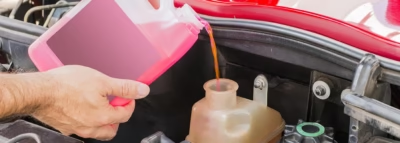
The Range Rover coolant system is a complex network. It comprises several components working together to maintain engine temperature. Understanding these parts helps in recognising potential issues.
Key components include the radiator, water pump, and thermostat. Each plays a crucial role in circulating coolant. They ensure heat is drawn away from the engine effectively.
Here’s a breakdown of the main components:
Radiator: Cools the heated coolant before returning it to the engine.
Water Pump: Circulates coolant through the system.
Thermostat: Regulates the flow based on engine temperature.
Hoses: Connect and direct the coolant flow.
This system requires regular maintenance. Proper care prevents damage and maintains engine performance. Monitoring these components helps you detect and address issues early. With knowledge of each element, you enhance your vehicle’s reliability. Regular checks contribute significantly to the overall health of your Range Rover.
How to Check Your Range Rover Coolant Levels
Checking your Range Rover’s coolant levels is a straightforward task. It’s vital to do this when the engine is cool. This prevents potential burns from hot coolant.
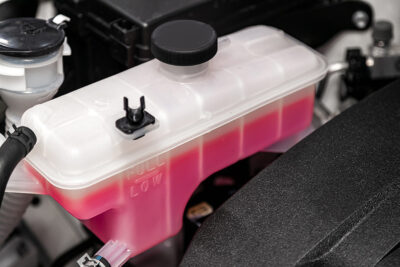
Start by locating the coolant reservoir. It is usually a translucent plastic tank.
Check the markings on the side to gauge the level accurately.
Follow these steps to check your coolant levels:
Park your car on a level surface and turn off the engine.
Wait for the engine to cool completely.
Locate the coolant reservoir under the bonnet.
Ensure the coolant level is between the minimum and maximum marks.
If the level is low, it’s important to top it up promptly. Use the recommended coolant type for your Range Rover. This simple check helps prevent overheating and potential engine damage. Regular monitoring extends the life of your vehicle.
Signs Your Range Rover Needs Coolant Attention
It’s crucial to recognise when your Range Rover’s coolant system needs attention. Ignoring signs can lead to severe engine problems. A vigilant approach ensures your vehicle runs smoothly.
Look for these warning signs to catch issues early:
Engine Overheating: A major red flag that the coolant level is inadequate or the system isn’t functioning correctly.
markdown
Sweet Smell: This odour might indicate a coolant leak. It’s often the first sign.
Visible Leaks: Puddles under your car could mean leaking coolant.
If you notice any of these, act quickly. Delaying repairs can lead to costly fixes. Regular inspections can spot leaks early. Keeping an eye out for these signs will protect your engine and extend its lifespan.
Step-by-Step Guide: Topping Up and Flushing Coolant
Properly maintaining your Range Rover’s coolant involves two key tasks: topping up and flushing the coolant. Each task is simple but essential for engine health.
Topping Up Coolant
Topping up coolant is a quick process. Follow these steps to ensure it’s done safely:
Let the Engine Cool: Only check coolant when the engine is cool to avoid burns.
Locate the Coolant Reservoir: Refer to your owner’s manual to find it.
Check Levels: The reservoir has indicators to show proper levels.
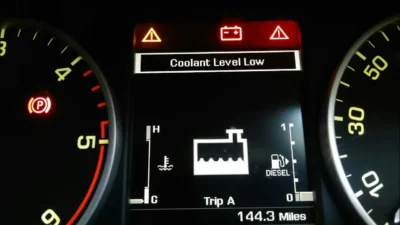
Add Coolant: Pour the recommended coolant type until it reaches the full mark.
Flushing Coolant
Flushing involves replacing old coolant with fresh fluid. It’s more complex but vital every 30,000 miles:
Drain Old Coolant: Open the drain valve and let the old coolant flow out.
Flush with Water: Use distilled water to clear old residue.
Add New Coolant: Pour the new coolant, and ensure it’s free of air pockets.
Recycle Old Coolant: Dispose of coolant properly since it’s toxic.
Both tasks are necessary for effective Range Rover maintenance. If unsure, consult a professional to avoid mistakes. Regular attention prevents expensive engine damage.
Choosing the Right Coolant for Your Land Rover
Selecting the appropriate coolant is vital for your Range Rover’s optimal performance. It’s crucial to use the recommended type to prevent engine damage and maintain efficiency.
Different coolants possess unique formulations, suited to specific engine designs. Here’s what to consider:
Compatibility: Ensure the coolant is compatible with Land Rover engines.
Type: Use the type specified in the Range Rover owner’s manual.
Additives: Check for necessary additives to prevent corrosion and boost cooling.
Mixing various coolants can result in harmful chemical reactions. Always choose quality products that match your vehicle’s specifications. This careful selection ensures lasting engine health and performance, securing your investment.
Coolant Maintenance Tips for Longevity and Performance
Proper coolant maintenance extends the life of your Range Rover, ensuring top performance. Regular checks and timely actions prevent costly repairs down the line.
Here are some tips to maintain your vehicle’s coolant system:
Monitor Levels: Check coolant levels frequently, particularly during extreme weather.
Inspect Regularly: Check for leaks and worn hoses.
Flush System: Schedule a system flush every 30,000 miles or refer to the manual.
Use the Right Mix: Ensure the correct water-to-coolant ratio.
By keeping your coolant system in check, you protect your engine and maintain a smooth drive. These preventative measures keep your vehicle running efficiently for years to come.
When to Seek Professional Range Rover Maintenance
Sometimes, DIY coolant maintenance isn’t sufficient. If you notice persistent leaks or overheating despite regular checks, professional assistance is necessary.
Unusual noises or persistent coolant discolouration also indicate a need for expert attention. Trusting a professional ensures that more complex issues are diagnosed and resolved, effectively protecting your Range Rover’s engine health.
Conclusion: Protect Your Engine with Proper Coolant Care
Proper coolant maintenance is key to extending the lifespan of your Range Rover.
With regular checks, you prevent overheating and costly repairs.
By understanding your coolant system and its needs, you safeguard engine performance. Always follow maintenance schedules and consult professionals when necessary for the best care of your vehicle.
