Uncategorized
pre owned defender 130
Jan
Pre-Owned Land Rover Defender 130: What to Know Before You Buy
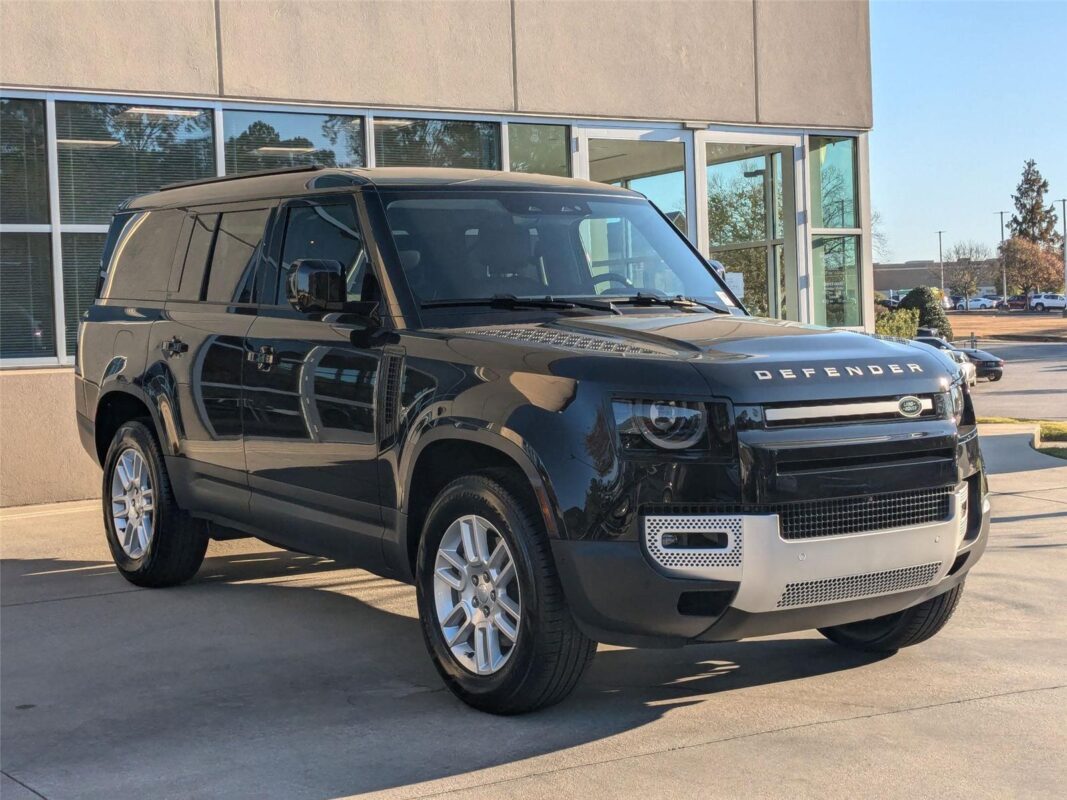
You’ve seen it on the road and done a double-take: a Land Rover Defender that just seems… longer. That’s the Defender 130, the eight-seat giant of the family, designed for maximum passenger and cargo room without sacrificing its famous off-road capability.
But is a pre-owned model the right choice for you? This guide focuses on real-world ownership, from third-row usability to common issues, helping you decide if this gentle giant fits your life.
What Makes a Defender a “130”? The Key Differences from a 110
The most striking difference between a Defender 130 and a Defender 110 is its sheer length. The 130 is a substantial 13.4 inches longer, an extension that completely changes its profile and purpose. This added size is the single most important factor to consider when choosing between the two.
Crucially, Land Rover added this length exclusively behind the rear wheels. This clever design means the wheelbase remains the same as the 110’s, but the body itself continues further back, creating a larger rear overhang.
This targeted extension is the secret to the 130’s main attraction: a truly spacious third row and a cavernous cargo hold. It’s what transforms the vehicle into a genuine people-hauler, making that extra space the primary reason you’d seek out a used Defender 130.
The 8-Seat Promise: How Usable Is the Third Row, Really?
The Defender 130’s main draw is its eight-seat capacity, and this is where it truly delivers. Unlike the optional, kids-only third row in a Defender 110, the 130’s rearmost seats are designed for adults. Anyone under six feet tall will find comfortable, stadium-style seating with decent legroom and their own sunroof, making it a legitimate people-hauler.
Of course, filling every seat raises the question of luggage. With the third row in use, the Defender 130 cargo space is 13.7 cubic feet—enough room for a few carry-on suitcases or a big grocery run. It’s a genuinely usable space, ensuring you don’t have to choose between your last passenger and their bag.
However, for a family of eight on a week-long vacation, that space gets tight quickly. For big adventures, especially if you’re considering a used Defender 130 for overlanding with a full crew, you’ll want to factor a rooftop cargo carrier into your budget.
Decoding the Engine Options: P300 vs. P400 on a Used Model
Under the hood of most used Defender 130s, you’ll typically find one of two gasoline engines: the P300 or the P400. The P300 is the standard four-cylinder engine, and it’s more than capable for daily driving, school runs, and weekend errands.
The P400 is the “effortless power” upgrade. It’s a larger six-cylinder engine that feels noticeably smoother and quieter, especially when merging onto a highway or pulling a trailer. This engine’s extra muscle makes the big Defender feel surprisingly light on its feet, even when fully loaded. This difference in feel is a core part of the P300 vs P400 debate.
While the P400’s refinement is tempting, a model with the P300 engine may offer a lower purchase price and slightly better fuel economy. If possible, test drive both to see if the standard engine’s power is sufficient for your needs.
Your Pre-Purchase Inspection Checklist: 4 Things to Scrutinize
A Defender 130 is built tough, but focusing on a few key areas can save you from common problems and unexpected bills. Before starting the engine, add these items to your inspection checklist:
The Air Suspension: This system lets you raise the vehicle for off-road clearance or lower it for easier entry. Using the buttons in the center console or trunk, cycle the vehicle through all its height settings. It should move smoothly without unusual noises or warning lights.
The Pivi Pro Infotainment Screen: This large central touchscreen controls everything from navigation to music. Tap through different menus to ensure it responds quickly. Early models sometimes suffered from lag, so check that it feels as responsive as a modern smartphone.
The Tires: Because of the Defender’s size and weight, it uses large, specialized tires that are expensive to replace. A full set can easily cost over $1,600. Check for uneven wear and confirm there’s plenty of tread left; otherwise, budget for a new set immediately.
The Warranty: Ask about any remaining factory warranty. Even better is finding a vehicle covered by the Certified Pre-Owned Land Rover program, which means it has passed a rigorous inspection and includes an extended, manufacturer-backed warranty for significant peace of mind.
The Reality of a 17-Foot SUV: Parking, Fuel, and Daily Driving
On the open road, the Defender 130 is smooth and composed, but its dimensions become apparent in a parking lot. At over 17.5 feet long, it’s virtually the same length as a Ford F-150 pickup. While its cameras and sensors help, maneuvering it requires wider turns and a constant awareness of its extended rear end.
That size also impacts your wallet at the pump. Most owners report a real-world average of 17-19 miles per gallon in mixed driving. This figure is on par with other giant SUVs but is a crucial budget consideration.
During your test drive, take it to your regular grocery store or a notoriously tight parking garage. If you can confidently navigate and park it there without breaking a sweat, you’ve passed a major ownership hurdle that no spec sheet can prepare you for.
Is a Used Defender 130 Right for You?
To decide, ask yourself two questions. First, do you consistently need space for more than five people? If not, the more agile Defender 110 is likely a smarter fit. Second, do you value standout style and off-road readiness over the practicality of a traditional large SUV?
A pre-owned Defender 130 is for the family that needs maximum room but refuses to blend in. It’s for those who want every drive—from the school run to a mountain pass—to feel like an adventure. It is a deliberate choice for a life less ordinary.
